What Is the Difference Between SEO, AEO, and GEO, and Why Do Brands Need to Show Up in AI Search Results Now?

Updated: Feb 8
Search is changing fast. Traditional search engines are no longer the only gatekeepers. AI-powered search tools now decide what answers people see first, and in many cases, they remove the need to click at all.
To stay visible, brands need to understand three connected strategies: Search Engine Optimization (SEO), Answer Engine Optimization (AEO), and Geographic Engine Optimization (GEO).
This guide explains the differences, why they matter now, and how brands in Kansas City and beyond can adapt.
Breaking Down the Basics: What Are SEO, AEO, and GEO?
SEO: Search Engine Optimization
SEO focuses on helping your website rank in traditional search results on platforms like Google.
Primary goal: Appear on page one for relevant keywordsOptimized for: Crawlers and ranking algorithms
Key SEO elements:
Keyword research tied to real search intent
High-quality blog content and landing pages
Technical performance like page speed and mobile usability
Backlinks from credible websites
SEO still matters, but ranking alone is no longer enough.
AEO: Answer Engine Optimization
Optimizes content for AI agents and assistants (like Copilot or ChatGPT) so they can find,
understand, and present answers effectively.
Generative Engine Optimization (GEO)
Optimizes content for generative AI search environments (like LLM-powered engines) to make it discoverable, trustworthy, and authoritative.

Why Brands Can’t Afford to Ignore AI Search Results Anymore
Here’s the deal: AI search is not just a trend—it’s the future. More people are using voice assistants like Alexa, Siri, and Google Assistant to find what they need. Plus, AI-driven search results are becoming smarter, showing direct answers, product recommendations, and even personalized content snippets.
If your brand isn’t showing up in these AI-powered results, you’re missing out on a huge chunk of potential customers. Imagine someone asking their phone for “best vegan restaurants near me” and your restaurant doesn’t appear because you haven’t optimized for AEO or GEO. That’s lost business right there.
Brands need to adapt by:
Creating content that answers specific questions clearly and concisely.
Using structured data (schema markup) to help AI understand your content.
Optimizing for local searches with accurate business listings and reviews.
Keeping up with AI trends to stay ahead of the competition.
The good news? This isn’t rocket science. With the right strategies, you can make your brand a go-to answer in AI search results and watch your visibility and sales go up.
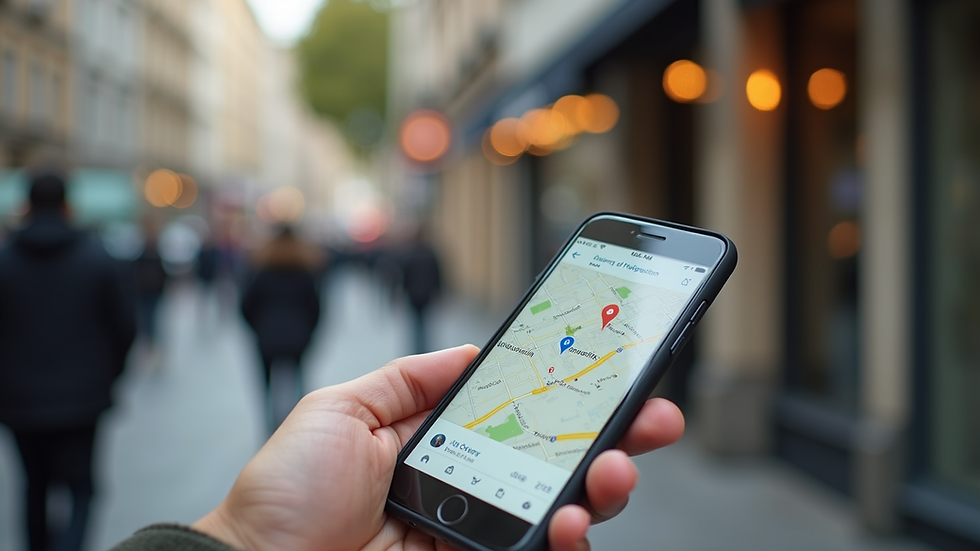
How Local Businesses in Kansas City Are Being Found Through AI Search
Search engines now focus on delivering direct answers instead of sending users to multiple websites. This change fundamentally affects how local businesses appear in search results.
Answer Engine Optimization, or AEO, is not a separate marketing tactic layered on top of everything else. It is a shift in how search works. AI-powered search tools are no longer just ranking pages by keywords. They are scanning content to understand what a business does, where it operates, and whether it can be trusted as a recommendation.
For local businesses, this means clarity matters more than ever. Your services, location, and credibility signals need to be easy for AI systems to read and interpret. If your website and content do not clearly explain what you offer and who you serve, AI tools are unlikely to surface your business as an answer.
In practical terms, AI search is asking:
What does this business do?
Who is it for?
Where is it located?
Can this information be trusted?
If those answers are not obvious, your business gets skipped.
This is why brands that communicate clearly, use plain language, and stay consistent across platforms are being found more often. AI does not reward clever wording or vague positioning. It rewards clarity.
For Kansas City businesses competing in a crowded local market, being understood is now just as important as being visible.
SEO, AEO, and GEO Checklist for Local Businesses
Kansas City Businesses small take note!
Feature Check | SEO | AEO | GEO |
Goal | ✓ Rank your website in traditional search results | ✓ Be the direct answer AI tools pull into responses | ✓ Be the recommended local option in AI research and comparisons |
User Input | ✓ Short keyword searches like “social media marketing agency” | ✓ Full questions like “Top 5 social media marketing agencies in the Kansas city area?” | ✓ Local intent questions like “best agency near me” |
Technical Support | ✓ Keywords, backlinks, site structure | ✓ Schema markup, FAQs, structured data, clear definitions | ✓ Local Business schema, location pages, Google Business Profile |
Engine Logic | ✓ Who has the most authority and links | ✓ Who provides the clearest, most direct answer | ✓ Who is trusted and clearly tied to a location |
How AI Is Changing Local Search Behavior
People are not browsing anymore. They are asking.
Search has shifted from short keywords to full questions. Examples:
“Who offers local SEO services for small businesses in Kansas City?”
“Which social media agency actually specializes in social media content creation and content strategy in the Kansas city area?”
AI relies on natural language content to answer these questions. If your site does not clearly explain what you do, the AI cannot confidently recommend you.
Voice search accelerates this shift. Spoken queries are longer and more specific. That makes clear service descriptions and plain language essential.
Zero-Click Search Is the Default
Many local searches now end without a website visit. AI Overviews and map results show the business name, services, reviews, and contact info immediately.
This reduces low-intent traffic but increases lead quality. Businesses that appear in AI answers receive fewer clicks and more ready-to-buy inquiries.
The rule is simple:If AI cannot quickly understand your services and location, it skips you.
Taking Action: Your Next Steps to Shine in AI Search
So, what’s next? Here’s a quick checklist to get you started:
Audit your current SEO: Identify gaps and opportunities.
Create content that answers real questions: Use tools like AnswerThePublic to find popular queries.
Implement structured data: Use Google’s Structured Data Markup Helper.
Optimize your local listings: Update Google My Business and other directories.
Test voice search: Try asking your brand-related questions to voice assistants and see what comes up.
Monitor and adapt: Use analytics to track your performance and tweak your strategy.
Remember, the digital world moves fast. Staying ahead means being proactive and embracing new ways to connect with your audience.
Ready to make your brand the answer everyone’s looking for? Contact us today info@socialsoule.com today.
